Services / Oral Surgery / Wisdom Teeth

Wisdom Tooth Extractions

Wisdom teeth do not always need removal. We assess their position and health and explain whether monitoring or treatment is appropriate.

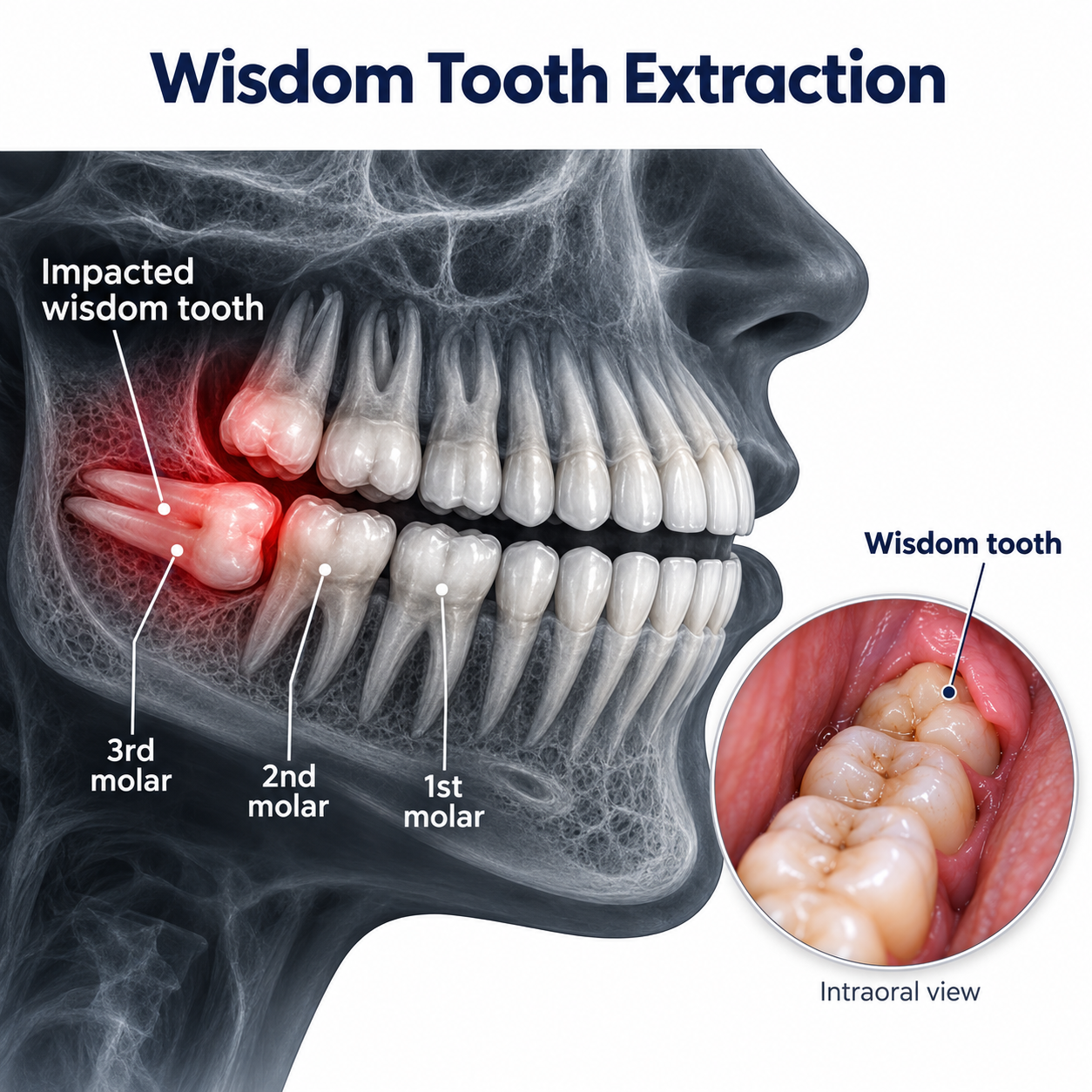
When wisdom teeth need attention

Warning Signs
  • Pain, swelling, or tenderness at the back corners of your jaw
  • Red, inflamed gum flaps over a partially erupted tooth
  • Repeated infections, bad taste, or bad breath from the back of the mouth
  • Jaw stiffness or difficulty opening
  • Changes affecting the health of a neighboring molar
  • Some problems have no symptoms and are found during an exam or on appropriate X-rays
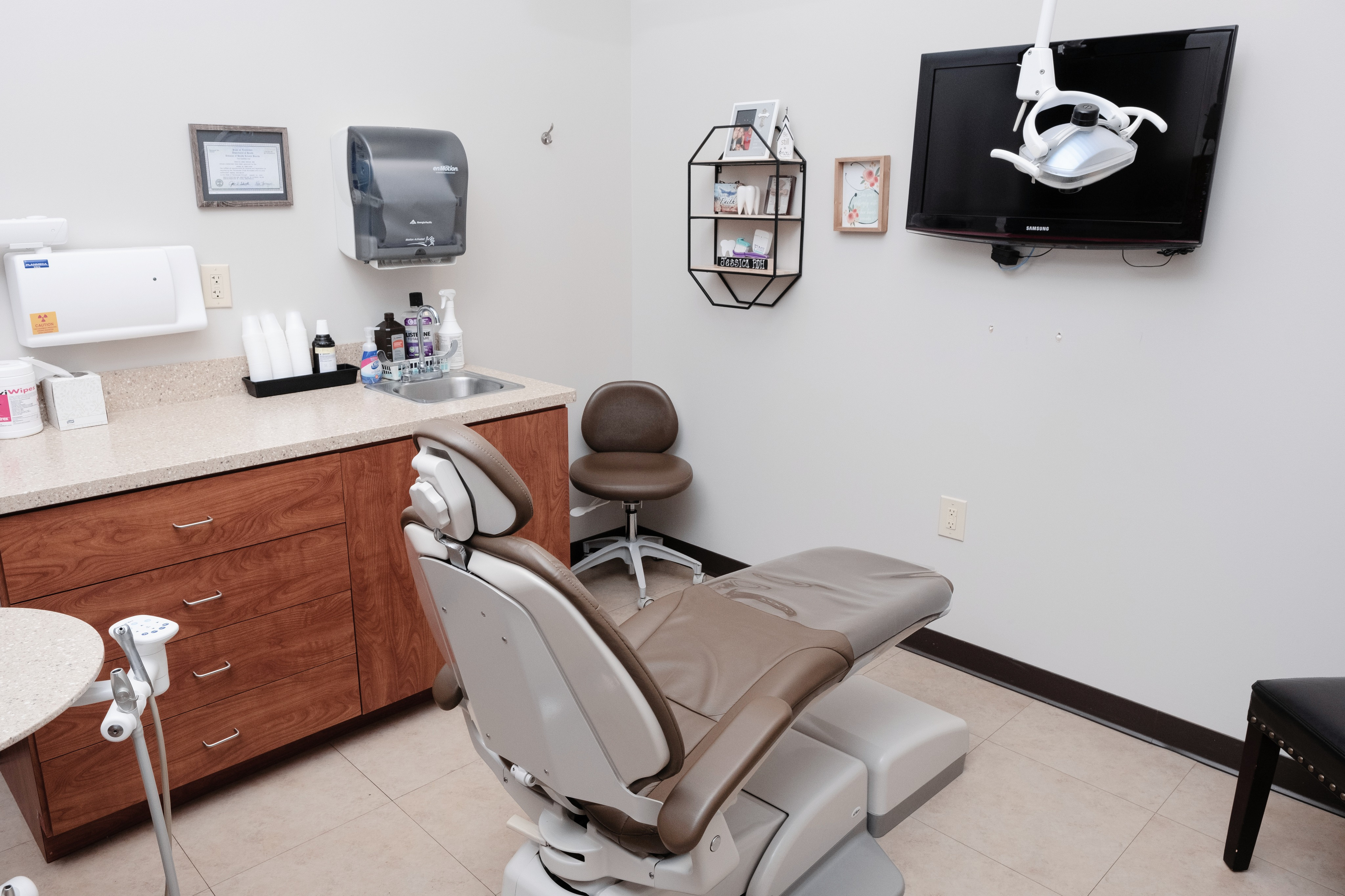
Treatment room in our Mt. Juliet office

What to expect

The Process
1

Evaluation and Imaging

An examination and appropriate imaging help us assess the teeth, roots, and nearby structures. We discuss the benefits and risks of removal or monitoring.

2

Comfort Plan

Local anesthetic numbs the treatment area. Nitrous oxide, oral sedation, or IV conscious sedation may be appropriate after a health review. We confirm the available options before treatment.

3

Removal

Impacted teeth are removed in sections through small openings — efficient, controlled, and gentler than it sounds.

4

Recovery

Written aftercare explains eating, cleaning, activity, and when to contact us. Recovery depends on your procedure; we discuss an individual timeline.

Complex cases

Specialist Referrals

Your tooth’s position, nearby nerves, health history, and anesthesia needs help us plan your care. We’ll explain whether removal can be completed in our office or a specialist is recommended, along with the timing and what to expect.

Common questions about wisdom teeth

Do all wisdom teeth need to come out?
No. Healthy wisdom teeth may be monitored. We assess symptoms, examine the teeth, and review appropriate imaging before recommending removal or ongoing observation.
How long is recovery?
Recovery depends on the number and position of the teeth and the procedure involved. We’ll explain when to resume work, school, exercise, and your usual diet, and which pain relief is appropriate for you.
Will I be asleep for the procedure?
Nitrous oxide is available when appropriate and is intended to help you relax while remaining responsive. Oral and IV conscious sedation may also be appropriate after a health review. We do not provide general anesthesia; we discuss referral when a different level of care is appropriate.

Wisdom teeth acting up?

Find out whether removal or monitoring is appropriate

Your preferences are saved for up to 180 days. We do not use analytics or advertising cookies.

Privacy policy