Services / TMJ Therapy

TMJ Therapy for Jaw Pain

Jaw pain, locking, or difficulty chewing deserves an assessment. We help identify the cause and discuss appropriate care.

Understanding jaw joint and muscle pain

What Is TMJ Disorder?

Your temporomandibular joints are the two joints just in front of your ears that help you chew, speak, and yawn. Temporomandibular disorders (TMD) involve pain or problems with these joints or the surrounding muscles. Several factors may contribute, and the cause is not always clear. An examination helps distinguish TMD from other causes of jaw or facial pain.

Request an Appointment

Woman easing jaw discomfort with a cold compress

Symptoms worth discussing

Warning Signs
  • Jaw pain, soreness, or fatigue — especially in the morning
  • Jaw sounds accompanied by pain, locking, or difficulty moving the jaw
  • Frequent headaches, earaches, or neck and shoulder tension
  • Jaw locking open or closed, or limited opening
  • Teeth that look flattened, chipped, or worn down
  • Increasing tooth sensitivity without cavities
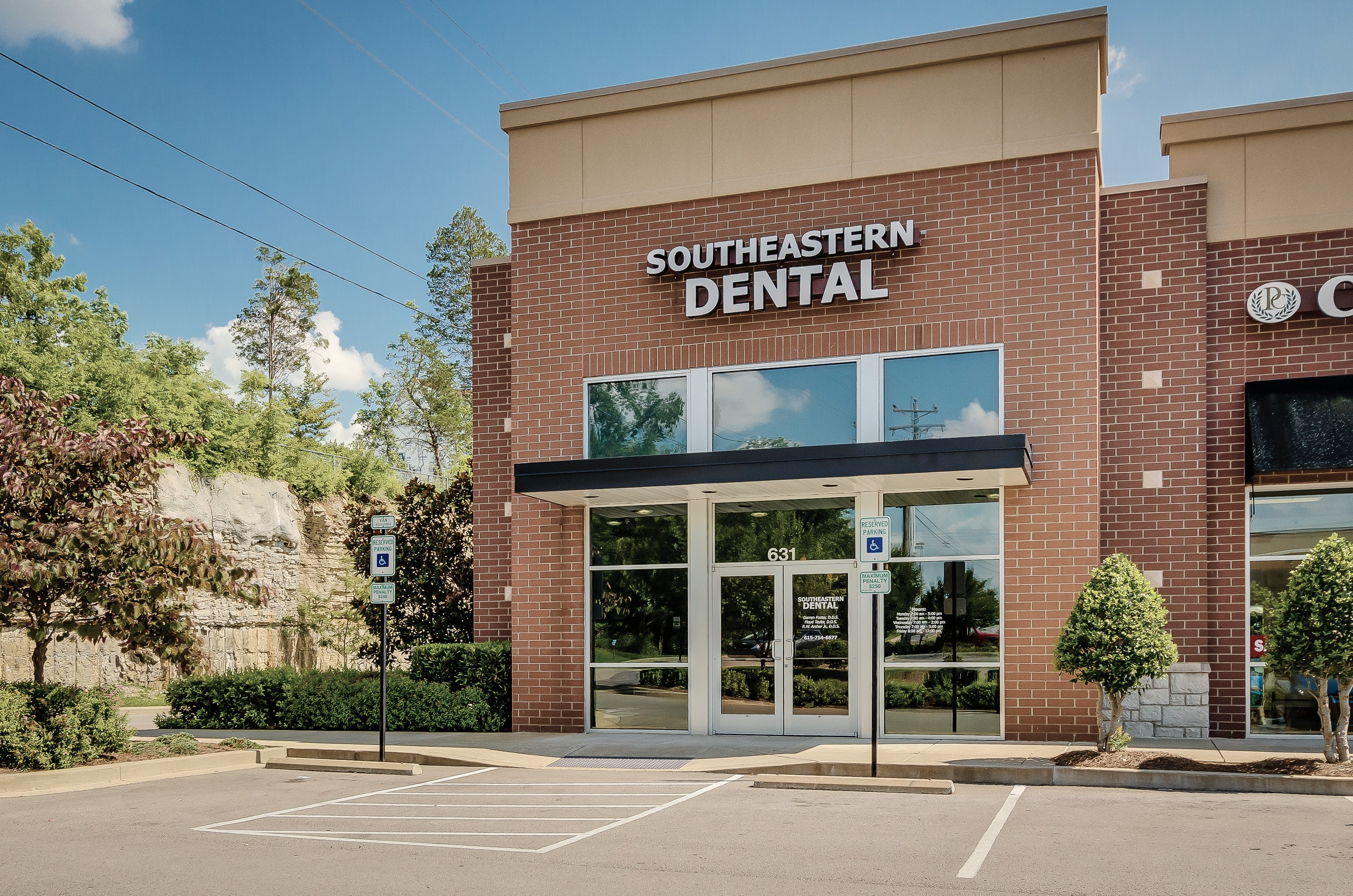
Exterior of our Mt. Juliet office

What to expect

The Treatment Process
1

TMJ Evaluation

We examine your joints, muscles, bite, and tooth wear patterns, and review your symptoms and habits — a clear picture before any treatment.

2

Conservative Care

We discuss conservative options based on your symptoms, which may include changes to habits, exercises, or referral for physical therapy. A custom guard may help protect teeth from grinding, but its effect on jaw pain varies.

3

Reviewing Treatment Options

We avoid treating jaw pain by routinely changing the teeth or bite. Any irreversible dental treatment requires a separate, clearly explained indication. Persistent or complex symptoms may need specialist assessment.

4

Follow-Up and Reassessment

We track your symptoms and response. If an appliance causes pain, stop using it and contact us. We reassess care or arrange referral when symptoms persist.

What you can do right now

Home Care

Rest the joint: softer foods, smaller bites, no gum chewing. Apply moist heat for muscle soreness or cold for sharp pain. Watch daytime clenching — lips together, teeth apart is the resting position. Managing stress may also help reduce clenching. Ask us about appropriate self-care for your symptoms.

Common questions about TMJ

Will a store-bought nightguard work?
A guard should have a clear purpose and fit appropriately. Custom guards may help protect teeth from grinding, but no guard is a guaranteed treatment for jaw pain. Ask for an assessment before choosing one, and report discomfort or changes in your bite.
Is TMJ treatment covered by insurance?
Coverage for guards or jaw-related care varies by plan and diagnosis. We’ll help check benefits and explain your estimated cost before treatment.
Can TMJ problems go away on their own?
Mild flare-ups sometimes do. Symptoms that persist beyond a couple of weeks, keep returning, or come with tooth wear deserve an evaluation — an assessment can help identify the cause and appropriate next steps.

Tired of jaw pain?

Start with an assessment of your jaw symptoms

Your preferences are saved for up to 180 days. We do not use analytics or advertising cookies.

Privacy policy