Porcelain Veneers

Thin, custom-crafted porcelain shells that change the color and shape of your front teeth and improve the appearance of some minor alignment concerns — often in just two to three visits.

What porcelain veneers can change

What Are Veneers?

A veneer is a thin porcelain restoration bonded to the front of a tooth. Veneers may address selected concerns with tooth color, shape, chips, or small gaps. The number and design depend on your goals and the condition of your teeth. Treatment commonly requires irreversible enamel preparation, so we discuss alternatives first.
Request an Appointment

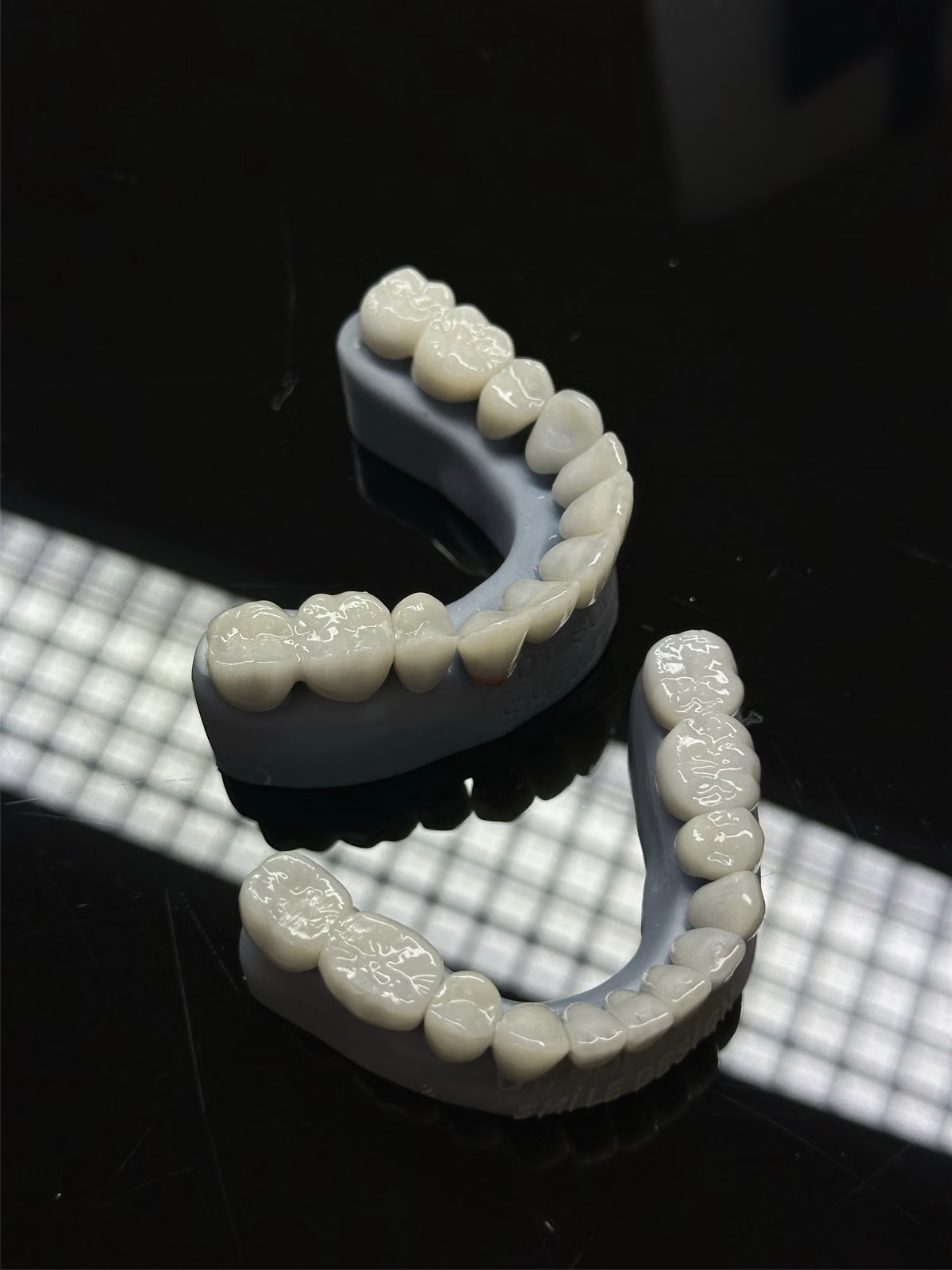
Porcelain restorations displayed on a dental model

The benefits of porcelain veneers

Why Patients Love Them
  • Changes to visible tooth shape and color, with preparation tailored to the case
  • Porcelain resists coffee, tea, and wine stains far better than natural enamel
  • Custom shade and shape — designed for your face, not a template
  • May improve the appearance of color, shape, small gaps, and minor alignment concerns
  • With good care and frequent dental checkups and cleanings, veneers commonly last 10–15+ years
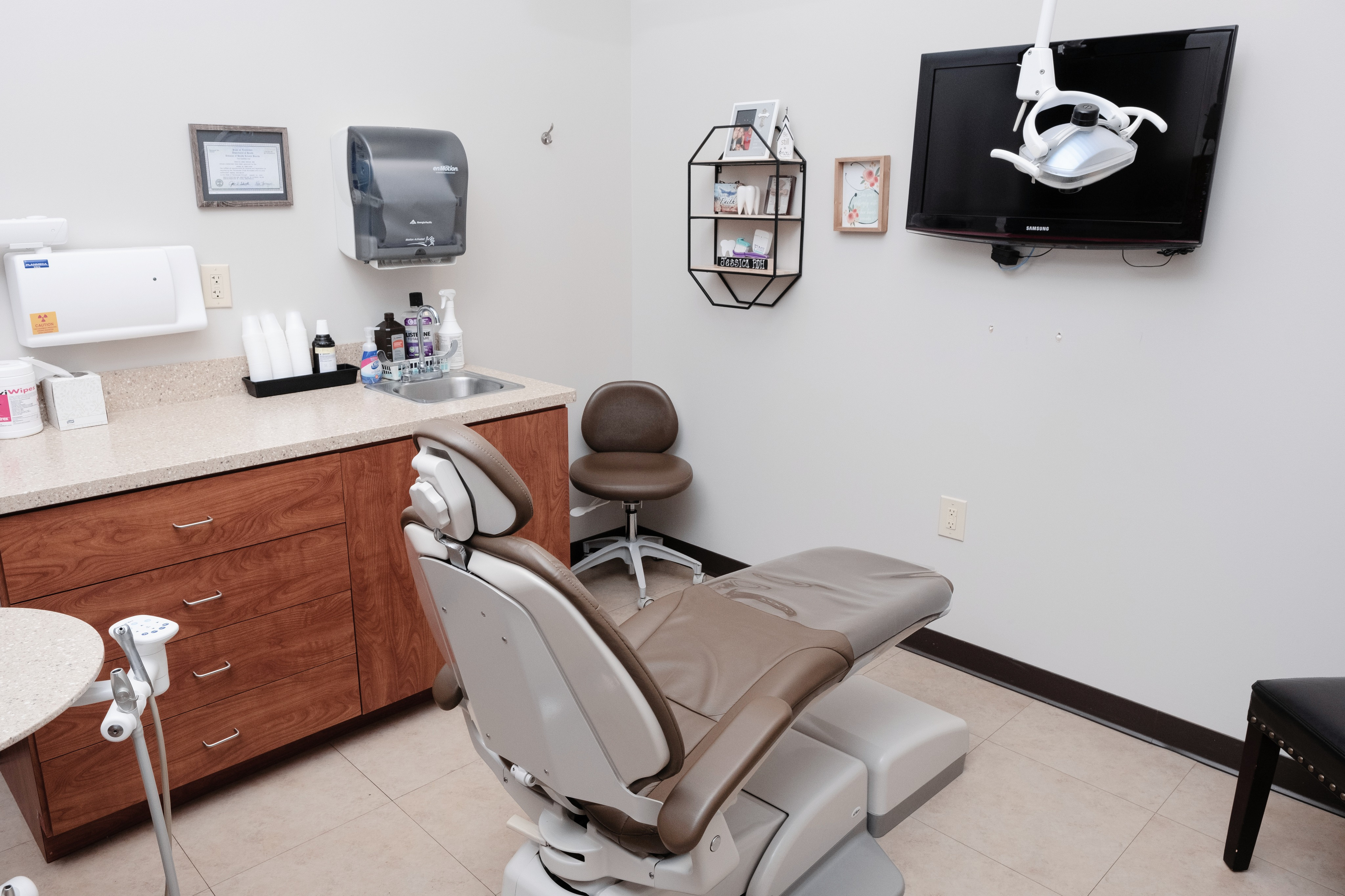
Treatment room in our Mt. Juliet office

What to expect

The Veneer Process
1

Design Consultation

Photos, a digital scan, and a conversation about what you want. A trial mock-up may help you discuss proposed changes and their limits before deciding on treatment.

2

Preparation

We prepare the teeth for the planned veneers, take a final scan, and place temporary restorations when needed. We explain the preparation and temporary-care instructions in advance.

3

Crafting

A dental lab makes your veneers to the prescribed shape and shade. We discuss the proposed appearance and material before treatment.

4

Delivery

We verify fit and shade together in the mirror, then bond your veneers permanently. You leave with your new smile that day.

How long do veneers last?

Lifespan

Typically 10–15 years, often longer. The porcelain itself doesn't decay — but the tooth underneath still can, so brushing, flossing, and regular checkups protect your investment. Veneers may need replacement over time. We’ll check both the veneer and the underlying tooth before recommending the next step.

Does getting veneers hurt?

Comfort

We use local anesthetic when needed and check your comfort throughout treatment. Tell us about discomfort so we can pause and adjust. Temporary sensitivity can occur afterward; contact us if it persists or worsens. Sedation options are available for anxious patients.

Planning your treatment: Your consultation includes a discussion of suitable treatment options, alternatives, and ongoing care.

Common questions about veneers

How many veneers do I need?
Some patients transform their smile with 2–4; others do 6–10 across the smile zone. We'll show you options and pricing for each at your consultation.
Are veneers reversible?
Porcelain veneers usually involve irreversible enamel preparation. They may need replacement later, depending on the veneer and underlying tooth. We’ll discuss less invasive alternatives, such as whitening or bonding, when suitable.
Veneers or crowns — which do I need?
Veneers cover the front of healthy teeth for cosmetics; crowns wrap the whole tooth when strength is needed. Sometimes a smile plan uses both — we'll map it out clearly.

See if veneers are right for you

Discuss your goals, options, and long-term care

Your preferences are saved for up to 180 days. We do not use analytics or advertising cookies.

Privacy policy